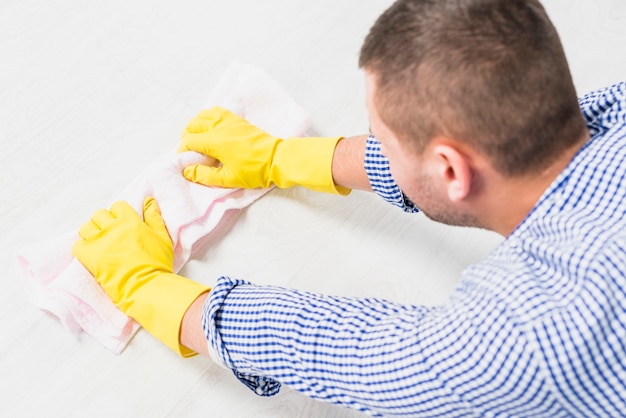
A System Built on Documentation and Training
How our approach delivers consistent cleanliness across different facility types through established protocols and prepared teams.
Return HomeFoundation Principles
Our methodology emerged from working with facilities where cleanliness directly affects business outcomes. These core beliefs guide every aspect of our service delivery.
Documentation Creates Consistency
Written protocols ensure that service quality doesn't depend on which team member is working. New staff follow established procedures rather than improvising their own approaches.
Training Builds Capability
Proper preparation helps teams understand why procedures matter, not just how to perform them. This comprehension leads to better decisions when situations require adaptation.
Communication Prevents Problems
Clear dialogue between facility managers and team leaders reduces misunderstandings about requirements. English-speaking supervisors facilitate this essential exchange.
Schedules Respect Operations
Cleaning should support your business activities, not interrupt them. We arrange our work around your operational hours and patterns, minimizing disruption.
These principles evolved through years of working with manufacturing plants, schools, and property managers. Each setting taught us something about what makes facility maintenance reliable and sustainable.
The Trong Sạch Method
Our framework adapts to different facility types while maintaining consistent quality through documented processes and trained personnel.
Facility Assessment
We visit your location to understand layout, traffic patterns, and specific requirements. This includes documenting areas needing special attention and discussing operational schedules.
Protocol Development
Written procedures customized for your facility specify cleaning standards, product selection, and safety requirements. These documents guide team training and daily operations.
Team Preparation
Staff receive training on your facility's specific protocols, safety requirements, and quality standards. English-speaking supervisors ensure understanding across the team.
Service Implementation
Teams begin regular service following established schedules and protocols. Supervisors monitor work quality and coordinate with facility management on any adjustments needed.
Performance Review
Regular evaluations identify areas working well and opportunities for improvement. Documentation supports discussions about service quality and any needed refinements.
Continuous Optimization
As teams become familiar with your facility, efficiency improves and quality becomes more consistent. Procedures evolve to address changing needs or seasonal requirements.
Each phase builds on the previous, creating a foundation for reliable long-term service. The framework adapts to facility-specific needs while maintaining consistent quality standards.
Standards and Safety Protocols
Our approach incorporates established industry standards and safety practices appropriate for different facility environments.
Product Safety Standards
Cleaning products meet international safety certifications, particularly important for facilities with children, food preparation, or sensitive manufacturing processes.
- • Child-safe formulations for educational environments
- • Food-contact surface appropriate cleaners
- • Low-residue options for sensitive equipment areas
Hygiene Protocols
Procedures follow established hygiene principles adapted for Vietnamese climate conditions and local operational patterns.
- • High-touch surface sanitization schedules
- • Cross-contamination prevention practices
- • Climate-appropriate mold and mildew management
Documentation Systems
Record-keeping supports audit requirements while providing facility managers with service verification and compliance documentation.
- • Service completion logs and checklists
- • Product usage and safety data tracking
- • Quality inspection reports available on request
Staff Training Requirements
Team members receive instruction on proper techniques, safety procedures, and equipment operation before working independently.
- • Chemical handling and dilution procedures
- • Personal protective equipment requirements
- • Emergency response and spill containment
These standards protect facility occupants, our staff, and the environment while ensuring cleaning effectiveness. Compliance documentation is available to support your audit and certification requirements.
Common Challenges with Conventional Cleaning Services
Understanding limitations in typical facility maintenance approaches helped us develop solutions that address these recurring issues.
Conventional Approach
Verbal Instructions Only
Quality depends on memory and interpretation, leading to inconsistency as staff changes or time passes.
Language Barriers
Communication difficulties create misunderstandings about requirements and make problem-solving more challenging.
High Staff Turnover
Constant retraining of new workers disrupts service quality and requires ongoing facility manager involvement.
Our Solution
Written Documentation
Protocols provide consistent reference regardless of who performs the work, maintaining quality across shifts and personnel changes.
English-Speaking Leadership
Team supervisors facilitate clear dialogue with facility managers while coordinating Vietnamese-speaking staff effectively.
Investment in Retention
Fair compensation and professional development reduce turnover, building teams familiar with your specific facility.
These differences address practical challenges facility managers face daily. The improvements show in reduced time spent coordinating cleaning and greater confidence in consistent outcomes.
What Makes Our Approach Distinctive
Several elements combine to create service delivery that supports your operational needs rather than adding to management burden.
Facility-Specific Protocols
Rather than applying generic procedures, we create customized protocols for each location. Manufacturing plants receive different approaches than schools or residential properties, respecting the unique requirements of each environment.
Schedule Adaptability
Our staffing structure allows flexible scheduling around your operational patterns. Night shifts for manufacturing, weekend work for schools, or coordinated timing with serviced apartment occupancy—we adjust to your needs.
Quality Verification Systems
Regular supervisor inspections identify issues before they affect your operations. This preventive approach maintains standards without requiring facility manager intervention for routine quality assurance.
Bilingual Coordination
Team leaders bridge the language gap between international facility managers and Vietnamese cleaning staff. This ensures requirements are understood accurately and concerns are communicated promptly in both directions.
Continuous Refinement
Procedures evolve based on facility feedback and operational changes. What works in month one may need adjustment by month six—we remain responsive to your developing needs rather than following static approaches.
How Progress Is Measured
Several indicators help both parties assess whether the service meets expectations and supports operational goals.
Service Quality Metrics
- Completion of scheduled tasks according to protocols
- Supervisor inspection scores from quality checks
- Response time to special requests or concerns
- Documentation accuracy and timeliness
Operational Impact Indicators
- Reduction in facility manager time spent on cleaning coordination
- Decrease in operational disruptions due to cleaning activities
- Stakeholder feedback from occupants, students, or residents
- Audit compliance maintained with available documentation
Success Looks Different for Each Facility
Manufacturing plants may prioritize compliance documentation and minimal production disruption. Schools focus on child safety and appearance during parent visits. Serviced apartments emphasize guest satisfaction and changeover efficiency. We tailor measurement approaches to what matters for your specific operational context.
Expertise Developed Through Diverse Facility Experience
Our methodology evolved through years of learning what works across different operational environments in Ho Chi Minh City. Manufacturing facilities taught us the importance of schedule flexibility and documentation for audits. International schools showed us how child safety protocols require both appropriate products and careful staff training. Serviced apartments demonstrated the value of maintaining hotel standards while managing variable occupancy patterns.
The common thread connecting successful facility partnerships is systematic approach rather than improvisation. Written protocols ensure new team members maintain established standards. English-speaking supervisors facilitate clear communication between international facility managers and Vietnamese cleaning staff. Regular quality checks prevent small issues from becoming operational problems.
This framework adapts to specific facility requirements while maintaining reliability. A manufacturing plant protocol differs substantially from a school cleaning approach, but both benefit from documentation, training, and communication systems. The methodology's strength lies in its flexibility within structure—customized procedures delivered through consistent processes.
See How Our Methodology Fits Your Facility
Request an assessment to learn how documented protocols and trained teams could support your specific operational requirements.
Request AssessmentWe'll visit your location and provide recommendations with no obligation