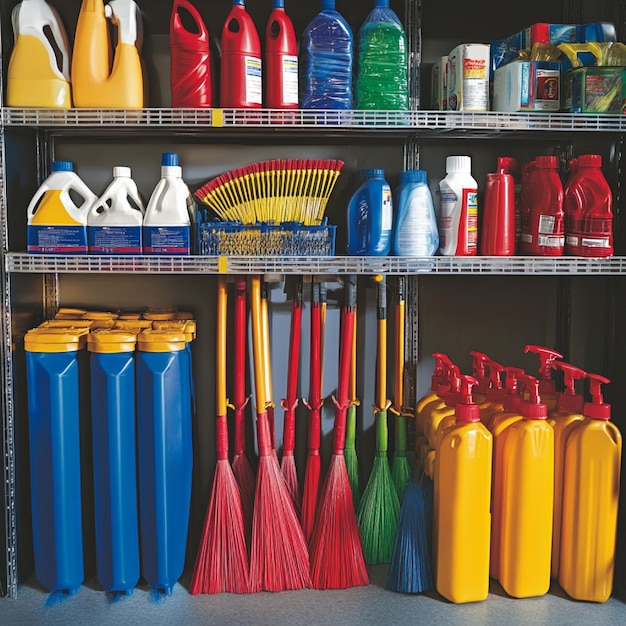
Services Tailored to Your Facility Type
Different operational environments require adapted cleaning approaches. Explore our specialized programs for manufacturing, education, and property management.
Return HomeSpecialized Programs for Different Operational Needs
Each facility type faces unique challenges in maintaining professional cleanliness. Manufacturing plants operate on production schedules that can't accommodate daytime cleaning. Schools require child-safe protocols and appearance standards important to parents. Serviced apartments need hotel-like consistency with the flexibility to handle variable occupancy.
Our approach adapts to these different contexts while maintaining the same foundation of documented protocols, trained teams, and clear communication. The methodology remains consistent—customized procedures delivered reliably.
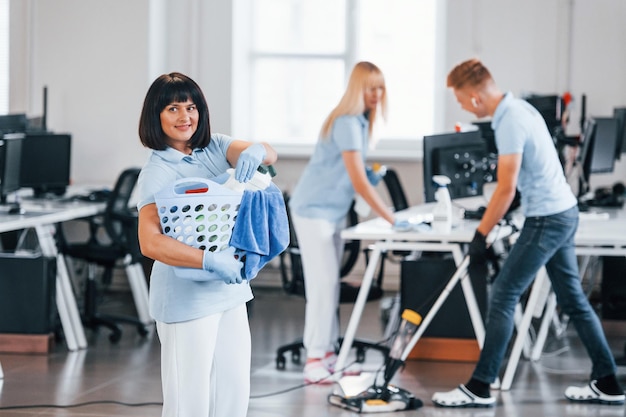
Manufacturing Plant Maintenance
Comprehensive cleaning for factories and industrial facilities working around production schedules to minimize operational disruption.
What's Included:
- Production floor cleaning during off-shifts
- Equipment area and staff facility maintenance
- Visitor zone professional upkeep
- Compliance documentation for audits
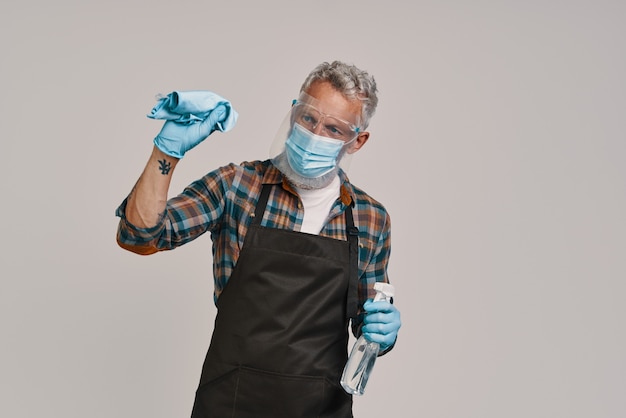
International School Campus Care
Specialized cleaning for educational institutions with child-safe protocols and appearance standards important to families.
What's Included:
- Classroom and facility maintenance
- Playground sanitization protocols
- Cafeteria hygiene management
- Child-friendly cleaning products
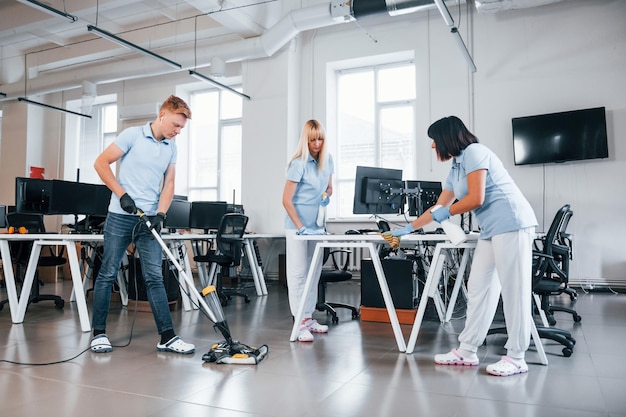
Serviced Apartment Portfolio Services
Cleaning program for property operators managing multiple units with hotel-like standards and occupancy flexibility.
What's Included:
- Guest changeover cleaning
- Periodic deep cleaning services
- Common area maintenance
- Flexible scheduling coordination
Why Facility Type Determines Approach
Generic cleaning services apply the same methods everywhere. We believe effective facility maintenance requires understanding operational context.
Manufacturing Environments
Production facilities operate on schedules where downtime costs money. Cleaning must happen during off-shifts or maintenance windows. Products need to be compatible with manufacturing processes—low-residue formulas near sensitive equipment, appropriate safety protocols around machinery. Documentation requirements support ISO audits and compliance verification.
Teams understand that their work enables production rather than interrupting it. This operational awareness shapes scheduling, product selection, and communication patterns.
Educational Institutions
Schools require child-safe products and procedures. Parents assess facility cleanliness when considering enrollment, making appearance standards important. Cafeterias need food-contact surface protocols. Playgrounds require sanitization that accounts for children's contact with equipment. Academic calendars create seasonal patterns—deeper cleaning during breaks, maintenance modes during terms.
Teams work around class schedules and understand the importance of creating environments where children and families feel comfortable.
Residential Properties
Serviced apartments compete on guest experience, making hotel-like cleanliness standards essential. Variable occupancy creates scheduling complexity—units need changeover cleaning between guests while maintaining common areas continuously. Guest ratings directly affect bookings, creating immediate feedback loops about quality.
Teams understand they're supporting hospitality businesses and adjust to occupancy patterns rather than fixed schedules.
What Remains Consistent
While procedures adapt to facility type, our foundational approach maintains the same structure across all services.
Written Protocols
Every facility receives customized documented procedures ensuring consistent quality regardless of staff changes.
Trained Teams
Staff receive facility-specific preparation on procedures, safety requirements, and quality standards before starting.
Clear Communication
English-speaking team leaders facilitate dialogue with facility managers while coordinating Vietnamese staff effectively.
Quality Verification
Regular supervisor inspections and documentation support consistent service delivery across all facility types.
Finding the Right Service for Your Facility
If your facility doesn't fit neatly into one category, that's common. Many facilities combine elements—a manufacturing plant might have cafeteria areas requiring food-safe protocols, or a school might operate residential dormitories.
The Assessment Process Helps Determine Fit
Facility Visit
We tour your location to understand layout, traffic patterns, and operational rhythm. This reveals which service framework best matches your needs or if a hybrid approach makes more sense.
Requirements Discussion
Conversation about schedule constraints, safety requirements, and quality expectations helps identify the right protocols for your situation.
Customized Proposal
Receive a written plan detailing recommended approach, scope, pricing, and timeline. This document helps both parties assess whether there's a good operational fit.
The assessment involves no commitment—it's a conversation about your facility's needs and whether our approach could support your operational goals.
Request a Facility Assessment
Learn which service framework best fits your operational needs and receive a customized proposal with transparent pricing.
Schedule AssessmentNo obligation—just a professional evaluation of your facility's requirements